How to Build a Multimodal Content Strategy for Maximum Reach, Engagement, and Visibility

Sharing your message in only one format is no longer enough to succeed in the digital world. Building a strong Multimodal Content Strategy helps you grow your brand and connect with many more online customers. This approach, combined with an AEO-focused strategy, ensures you reach people whether they prefer reading articles, watching videos, or listening to audio.
What Is a Multimodal Content Strategy?
A multimodal strategy is the process of turning one high-quality asset into many different media formats. It means using text, video, and audio to share the same message across your digital channels. This method ensures your brand connects with people no matter how they like to learn new things. It is about creating a system where every piece of content supports your core brand message.
The Different Modes of Content
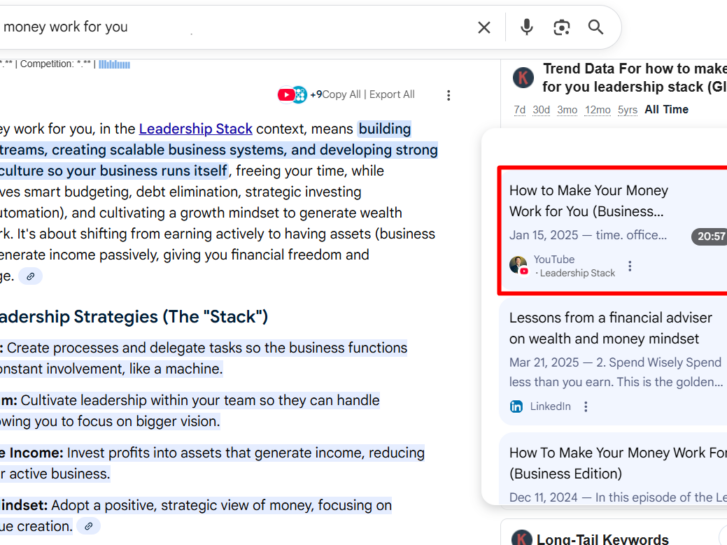
The word multimodal describes the different ways we use our senses to share and understand new information. These include the linguistic mode for words and the visual mode for images and helpful charts. There is also the aural mode for sound and the spatial mode, which focuses on page layout. A complete strategy combines these elements so they work together to deliver a powerful and memorable experience.
Multichannel vs. Multimodal Marketing
Many people confuse a multimodal approach with a multichannel approach, but there is a big difference between them. Multichannel marketing is simply posting the exact same piece of content across many different social media platforms. A multimodal strategy is about creating unique formats of the same message to reach people differently. You are not just reposting a link; you are transforming the content into something entirely new.
| Feature | Multichannel Marketing | Multimodal Marketing |
|---|---|---|
| Definition | Reaching customers across multiple independent channels or platforms (e.g., email, social media, SMS, website). | Delivering marketing messages through multiple modes of communication in a single interaction (e.g., text + video + voice in one campaign). |
| Focus | Distribution across channels to maximize reach. | Enhancing engagement within a single interaction through diverse content formats. |
| Example | Running separate campaigns on Instagram, Facebook, and email newsletters. | A landing page that combines video, text, interactive quizzes, and chat support for the same campaign. |
| User Experience | Users may interact on different platforms but experiences are mostly siloed. | Users experience multiple modes simultaneously, creating a richer and more immersive interaction. |
| Goal | Broaden visibility and touchpoints to reach more customers. | Increase engagement and conversion by leveraging multiple sensory or cognitive modes. |
Why You Need a Multimodal Approach for Your Content
The way people use the internet is changing, especially with the rise of new artificial intelligence search. Modern search engines now pull information from videos, images, and text to answer complex user questions. If you only provide text, you might miss the chance to appear in these helpful search summaries. A multimodal strategy gives your brand multiple ways to win and be seen by many potential customers.
Meeting Different Attention States
People move through different attention states throughout the day, and their content preferences change with those states. Someone might skim a short article during a busy morning but prefer a deep-dive video later. During a commute, they may choose to listen to a podcast rather than look at a screen. This strategy ensures your brand stays present no matter how your audience is currently engaged.
Maximizing Your Content Value
Creating high-quality content takes a lot of time and creative energy for any modern marketing team. A multimodal strategy increases the value you get for every single asset you choose to produce. By adapting one core idea into several formats, you extend its life and reach many more people. You can turn one successful webinar into a blog post, social media clips, and emails. Therefore, learning how to structure content for multi-turn AI conversations is essential.
How to Build a Multimodal Strategy
Building a successful content strategy requires a clear system that expands your content without creating too much extra work. You should focus on building a predictable process that can be repeated for every major content piece. The following five steps will help you transform your existing assets into a powerful marketing machine. Following this framework ensures that your team remains organized and focused on what truly drives results.
Step 1: Audit Your Content
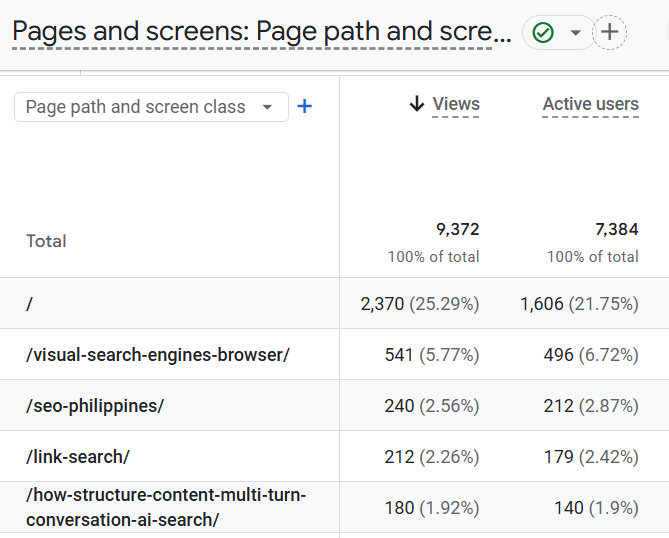
A strong strategy starts with identifying the best content that already exists within your current digital library. Look at your top-performing blog posts, reports, or case studies from the last year of your business. These pieces are your anchor assets because they have already proven to be valuable to your audience. Choose the assets that are most detailed and can easily be broken down into smaller parts.
Step 2: Map Your Formats
The next step is to decide which formats and channels best match how your audience likes to engage. Look at your data to see which types of content your audience likes to watch or read most. If your blog posts perform well, use written text as your hub and create videos from it. If your audience loves video, start there and then use the transcript to create helpful articles. If you want to step up your game, here’s a guide on how to structure your content for AI extractions.
Step 3: Design a Multiplication System
You need a predictable system that expands every piece of content across multiple channels and various modes. Plan your paths based on the primary format you choose to create first for your specific audience. For example, if you start with video, your path could include creating podcasts and capturing social clips. If you start with text, you might convert step-by-step sections into short and helpful video tutorials.
Step 4: Build a Production Workflow
Map out your current creation process and find where multimodal tasks can fit in naturally and efficiently. Schedule your repurposing tasks immediately after a major piece of content goes live to keep the momentum. It is often helpful to group related tasks, such as dedicating one day to creating social graphics. Using checklists for each format ensures that your team maintains high quality and consistent branding.
Step 5: Set Up Meaningful Tracking
Tracking helps you discover which specific topics and formats are performing the strongest for your business goals. Use tracking codes for each version of your content so you can see where your traffic starts. Define simple success metrics for each format, such as view time for videos or click rates. Review this data regularly to adjust your priorities and focus on the formats that drive results.
Key Takeaway
Every modern brand needs to adapt to the way audiences and search engines consume digital information today. Knowing how to make a strong multimodal content strategy will help you grow your brand and connect with many more customers. By turning one anchor piece into text, video, and audio, you maximize your reach and improve memory. Start small by auditing your best work and building a system that multiplies your impact across the web.
